12 Ways to Support and Celebrate Minnesota’s Latino Community
Latino people have deep roots in Minnesota — dating back to the early 1900s, when many workers from Mexico came north to build railroads, pack meat, or tend sugar beet fields.
Mexicans make up more than two-thirds of the state’s Latino population. Other migrant groups include tight-knit communities from Puerto Rico, Guatemala, Colombia, El Salvador, Ecuador and Cuba. Their collective histories add to the rich cultural fabric of our state.
Here are 12 ways you can support and celebrate our vibrant Latino communities.
-
1. Start with art
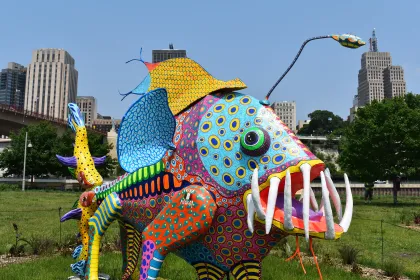
 "Alebrijes: Keepers of the Island" in Harriet Island Regional Park / Credit: Minnesota Latino Museum
West St. Paul had a substantial Latino population through the 1950s and ‘60s, until the city forcibly displaced about 2000 people to build an industrial park. While many folks resettled nearby, the community's cultural roots never left, and the Latino population has grown steadily — about 57% each year since the early 21st century. Along with that growth, there are artistic and cultural imprints.
Explore the art of Minnesota’s Latino community by visiting Comunidades Latinas Unidas En Servicio (CLUES) at their St. Paul headquarters. It’s where you’ll find a year-round gallery and free public programming.
Looking further ahead, a long-planned Minnesota Latino Museum is set to open at Harriet Island Regional Park in 2029. It is part of a restorative justice project for those displaced by the industrial park, with a focus on arts and culture, history, nature, agriculture and culinary traditions.
In the meantime, look out for pop-up events put on by the museum's organizers, such as 2025's popular outdoor sculptures exhibit “Alebrijes: Keepers of the Island."
-
2. Keep your kitchen stocked
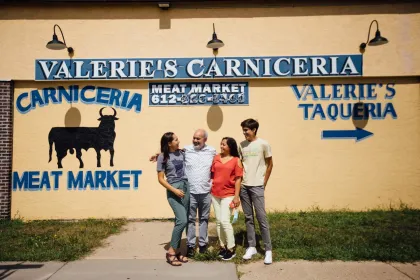
Valerie's Carniceria / Credit: Visit Lake StreetLatino flavors encompass a wide range of regional cuisines, including grilled and pit barbecue, coastal seafood, savory stews, juicy fruits and veggies, deeply complex dark moles, and fresh hot sauces.
Several markets around the metro stock the ingredients you’ll need to recreate Latino recipes at home, including Mercado Central, Alborada Market, and El Burrito Mercado.
If you’re looking specifically for meats, carnicerías like Valerie’s and La Huasteca in Plaza Mexico offer plenty of specialty cuts, pre-cooked preparations, and seasoned meats ready for your grill or hot pan.
-
3. Take a culinary tour
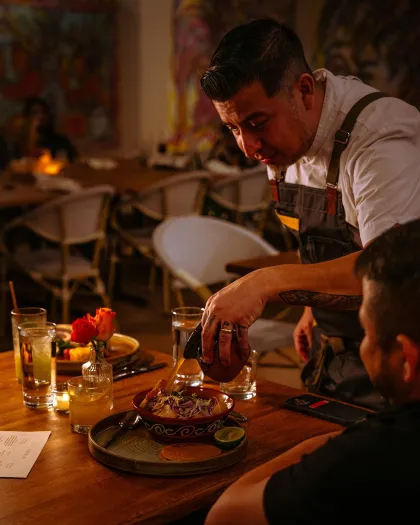
 Chef Cristian de Leon serves caldo de res tableside / Credit: Xelas by El Sazon
If you need inspiration for your next Latino meal, look no further than the metro area’s abundance of mamá y papá shops. El Sazón's growing restaurant group (including a new Stillwater spot featuring Mayan and Guatamelan cuisine) and Oro by Nixta can’t be beat for a fancy date night or sit-down meal with drinks and dishes that celebrate the singular flavors of Minnesota’s diasporic communities.
For a more laid-back vibe, try Chimborazo, Sabor Latino, Don Goyo, Maria’s Cafe or El Cubano.
Or cruise East Lake Street for even more casual eating. It’s a treasure trove of taco joints, curbside food trucks, Latino bars, and birrerias.
Read our complete guides to Mexican and Latin American food in Minneapolis-St. Paul.
-
4. Try a sweet treat
 La Michoacana Purepacha / Credit: Paola Carlson-Sanchez
¡Mangonadas, paletas y pan dulce — ay! Latino pastries, ice creams, and other desserts are in a league of their own. More than mere sugar bombs, they balance the sticky tartness of tropical fruits with the richness of nuts and seeds, the earthiness of pumpkin or squash, the creaminess of sweetened condensed milk, and a subtle hint of heat from chili powders.
For cold treats, check out Michoacana Tasty Ice Cream & Burgers, Valentina’s Michoacana, and La Michoacana Purepecha. For baked goods like cakes, sweet breads, and conchas, venture to El Mexicano Panaderia y Pasteleria, Papá Chuy’s, Marissa’s, or Panadería La Espiga. Most panaderías invite customers to grab tongs or tissue paper and load up a cafeteria-style tray before heading to the register.
-
5. Team-build with tacos
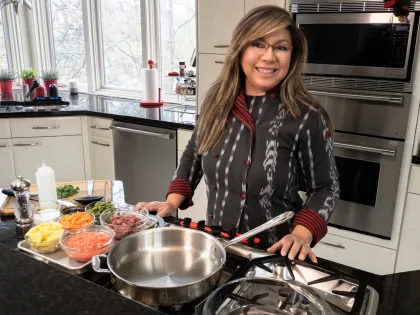
 Chef Amalia Moreno-Damgaard
Across Minnesota, Latino cuisine comes alive through immersive, hands-on experiences. Chef Amalia Moreno-Damgaard invites guests to go beyond the plate and learn more about Guatemalan culture and beyond through speaking engagements like “Sabor y Tradición: Celebrating Hispanic Heritage Through Culinary Narratives.” Chef Mimi Selam has built an entire business around her cooking classes, including ones focused on street-style tacos and salsa.
-
6. Join a joyful festival
Fiesta LatinaLatinos enrich Minnesota with music, food, and culture — so it’s only right that they get time in the spotlight. Cine Latino showcases Spanish- and Portuguese-language films from across Latin America, while Fiesta Latina brings together family fun, food, culture, and wellness—all free and open to the public.
Lake Street in Minneapolis and St. Paul’s West Side draw lively crowds for annual Cinco de Mayo celebrations. Beyond the metro, AfroLatinidad lights up Clear Lake, Latin Music and Food Fest energizes Chaska, LatinoFest fills Brooklyn Park, and Red Wing celebrates with its Hispanic Heritage Festival.
-
7. Bask in the beauty of Indigenous dancing
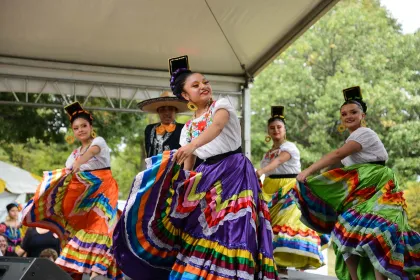
Mexico Azteca Ballet FolklóricoWhen colonialism came to the Americas, it changed the shape of the Indigenous populations that already existed. Many assimilated for safety, but there are several examples of touchstones of pre-colonial life and connection to Indigenous ways of living and spirituality.
One of them is dancing. Companies that honor these traditions in Minnesota include Kalpulli Yaocenoxtli and Mexico Azteca Ballet Folklórico.
-
8. Twirl on your own time
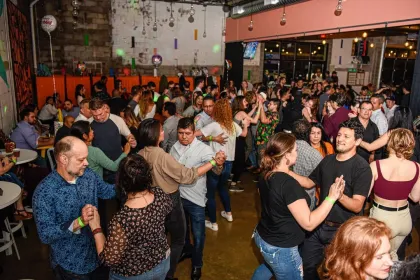
Salsa night at La Doña CerveceríaLatino dance classes are a fun way to learn new moves, connect with cultural traditions, and even practice a little Spanish. On the first Friday of every month, La Doña Cerveceria hosts a lively dance night with a DJ and free lessons.
Duende Dance Studio, Minneapolis Salsa and Bachata, and Bloomington’s Ballroom and Latin Dance Club are also great places to dip—and tap—your toes into the Latino dance world.
-
9. Improve your Español
Rojas SpanishWhile Spanish is a European language, colonization made it the national language of many Latin American countries. One way to build meaningful connections is by learning the language yourself. Rojas Spanish, the local chapter of the Spanish Institute, and Casa del Sol offer in-person and online classes, group learning, and tutoring options for a wide range of experience levels.
-
10. Shop local
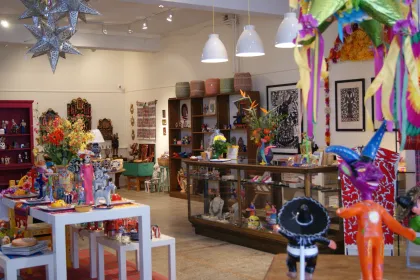
Zinnia Folk ArtsFrom art and apparel to décor and gifts, Minnesota is full of Latino makers worth supporting. Follow Electric Machete Studios on Instagram to track artist markets and pop-ups. For gifts with a social justice– and eco-conscious focus, visit Ricardo Levins Morales’s studio.
Zinnia Folk Arts is a go-to for home goods, jewelry, ceramics, and more. You’ll also find a wide mix of vendors at cultural malls like Midtown Global Market, Mercado Central, Plaza del Sol, and Plaza Mexico, all offering a lively, market-style shopping experience.
-
11. Head to community hubs
Mercado Central / Paola Carlson-Sanchez (Courtesy of Meet Minneapolis)The multi-faceted culture of Minnesota shines brightest in the neighborhoods where global traditions have taken root and flourished. Throughout the Twin Cities, longtime gathering places and newer arrivals have shaped vibrant corridors filled with food, art, and small businesses that invite exploration.
On St. Paul’s West Side, opportunities to support Latino-owned businesses abound, from restaurants and bakeries to shops woven into the fabric of the community. East Lake Street tells a similar rich story, where colorful murals, beloved eateries, and community spaces like Mercado Central come together to create a street that feels alive with creativity and connection.
-
12. Be a cultural bridge
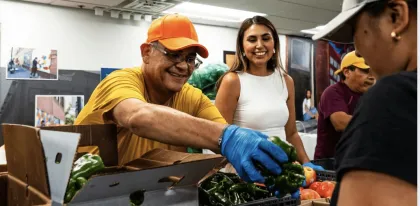
 Volunteers at CLUES
Looking to build lasting connections with Minnesota’s Latino community? Volunteering is a great place to start. Local organizations like LatinoLEAD, CLUES, Casa de Esperanza, the Immigrant Law Center of Minnesota, La Oportunidad, and Voices for Racial Justice create numerous opportunities to engage, learn, and support meaningful, community-oriented work.