

 Charles Lindbergh House Site




About
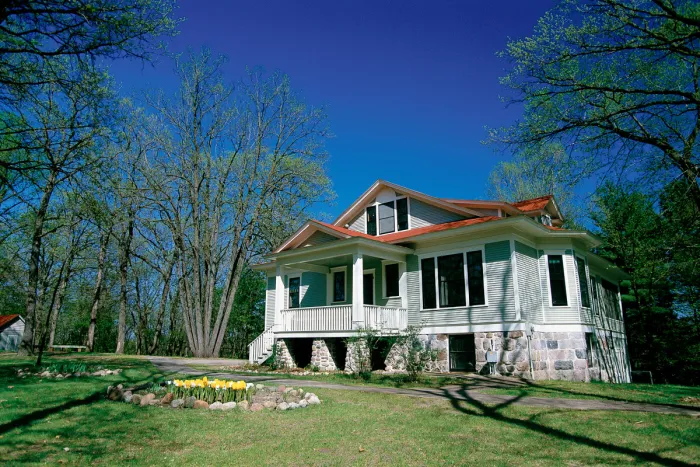
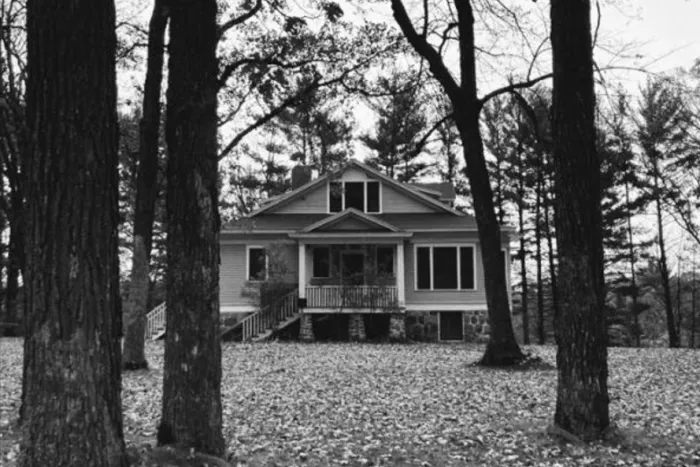
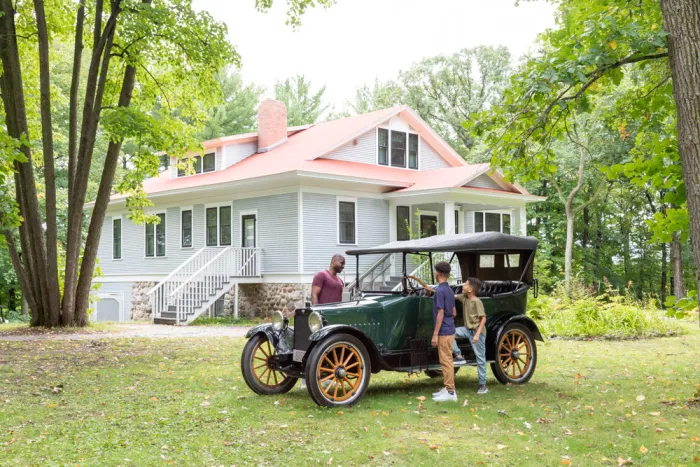
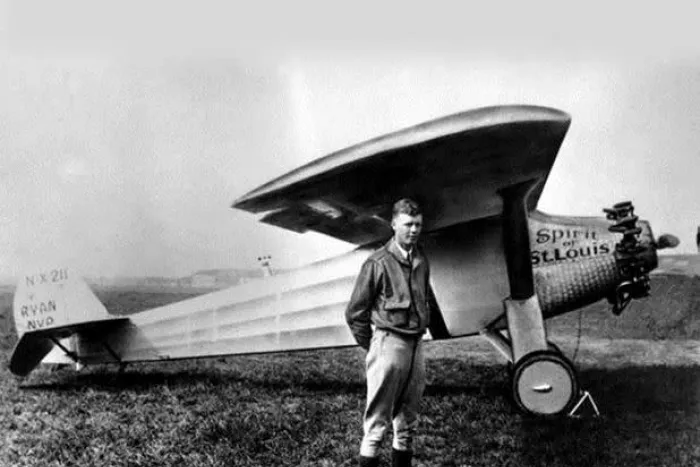
Charles Lindbergh is best known for completing the first solo, nonstop flight between New York City and Paris. Lucky Lindy's legend began at his childhood home in Little Falls, Minnesota.
- WPA walking tour: Take a self-guided walking tour that highlights WPA (Works Progress Administration) structures from the 1930s that remain at the historic site and within the state park.
- About the WPA: During the Great Depression, President Roosevelt’s administration created a number of work relief programs designed to help Americans make it through hard times. The WPA (Works Progress Administration) was created in 1935 and put unemployed men and women to work during the Great Depression. It was part of President Franklin D. Roosevelt’s “New Deal.” More than 8 million Americans worked for the WPA nationwide on a variety of public projects. The WPA built roads, bridges, sewers, and park buildings, and made significant contributions in human services and the arts. The Works Progress Administration was responsible for turning the abandoned Lindbergh home and surrounding property into a historic site and state park.
- The WPA at the Lindbergh Site: By the 1930s, the childhood home of famous aviator Charles A. Lindbergh had been badly damaged by souvenir-hunters. In 1936, the WPA began restoration of the house, which, along with the adjoining farmland, had been given to the state of Minnesota by the Lindberghs. Today, the homesite is a National Historic Landmark managed by the Minnesota Historical Society.
- The WPA at Lindbergh State Park: The WPA also put in two miles of footpaths, planted 4,000 trees and bushes, and built shelters, parking lots and other amenities on the Lindbergh property, creating what is now a state park. One of the shelters is still in use, and several other structures have survived.
- Walking tour highlights:
- Park Shelter: One of the first WPA buildings in the park and known as the “Kitchen Shelter” because it includes a fireplace and stove.
- Water Tower: Built of native granite in 1936, it once held 5,000 gallons of water.
- Restroom Building: A pine structure built around 1939 and is still in use.
- Drinking Fountains: Made of native granite in 1939.
- Trail Shelter Ruin: Down the river bluffs, four stone walls remain from this structure, which was built around 1936.
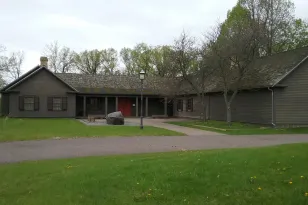
- Lindbergh Childhood Home: The childhood home of Charles Lindbergh. Access to the home is by guided tour only.
- Caretaker/Farmer Home: Built around 1901, this was home of the Lindberghs’ hired farmer and later of the park caretaker.
- Footbridge: Approximate site where, as a child, Lindbergh built a suspension bridge over Pike Creek — a Mississippi tributary.
- Tour of Lindbergh sites: Take a driving tour to discover sites that showcase the Lindbergh family's history in Little Falls. This 12-stop driving tour includes homes of members of Charles’s family, the cemetery where his first wife and half-sisters, Lillian Lindbergh Roberts and Edith Lindbergh, are buried, various buildings from which his father ran his law practice, and much more.
The historic site is a National Historic Landmark.
What's Nearby

Charles A Lindbergh State Park
Located on the outskirts of Little Falls, this park offers quiet picnic grounds and 7 mi of scenic…
C.A. Weyerhaeuser Memorial Museum - Morrison County Historical Society
Interpretive exhibits of local and regional history, research facilities for family and regional…

Little Falls Country Club
Come enjoy our 18 hole championship golf course nestled in the woods along the beautiful…
The View Restaurant
Whether you've just finished a round on the course or are simply looking for a great place to dine,…
Mentioned In
Related Listings