
Things to Do in Minnesota's South Lakes Region
Drive 30 minutes south of the Minneapolis-St. Paul metro and you’ll notice the landscape change: suburban development gives way to clapboard siding. Rolling green hills surround you on four sides. Lakes, placid and cerulean, are everywhere. You’ve reached the South Lakes district, home to pastoral pizza farms, hidden waterfalls, and one of Minnesota's most recognizable exports: bright blue cans of SPAM.
-
Experience college-town culture in Northfield
 A Sumac 'Spro Tonic at Little Joy Coffee
It may be the college town that smells like cookies, but Northfield — home to both Carleton and St. Olaf — is far more than the nearby Ames Mill, which, yes, often imbues the town with a “freshly baked” aroma thanks to the Malt-O-Meal made there. There’s also an Instagram-famous coffee shop (that would be Little Joy, where you can order a raspberry Danish cold brew or matcha dark and stormy), antique shopping to rival the Hudson Valley, and Defeat of Jesse James Days, a beloved annual re-enactment of — well — the defeat of Jesse James.
Northfield just has that small-town je ne sais quoi — the kind that makes it a perfect setting for a Hallmark movie or most likely to be mistaken for Stars Hollow.
 Freshly sprinkled donuts at Bread People
It’s also one of our favorite day trips from the Twin Cities. Kick things off with a crepe at Raven’s Nest or a hand pie, cardamom bun or donut from Bread People, then stroll down the riverwalk, which hosts a weekly farmers and art market. Afterward, head downtown to shop at Content bookshop, Verbena Vinyl, Antiques of Northfield and The Measuring Cup.
Finally, grab an early dinner at Reunion or Loon Liquors, where you can nosh on pizza made with flour from B&T Farms, just 10 minutes from the distillery. Concerned about driving home? Don’t be — Loon has a thoughtful menu of handmade zero-proof beverages, including seasonal shrubs and sodas.
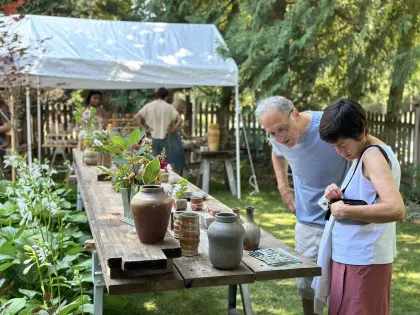
 Credit: Cannon River Clay Tour
Or make a plan to visit during the Cannon River Clay Tour, a self-guided tour of resident and guest ceramic artists that takes you to beautiful, tucked-away studios across the countryside.
And don’t miss December’s Winter Walk, a truly magical holiday celebration that might just leave you ready to trade big-city life for something slower — perhaps involving a plaid-shirted shopkeeper. No promises, of course, but if there’s anywhere in Minnesota such a thing might happen, it’s Northfield. I mean, come on. The town smells like cookies.
-
Visit the SPAM Museum in Austin
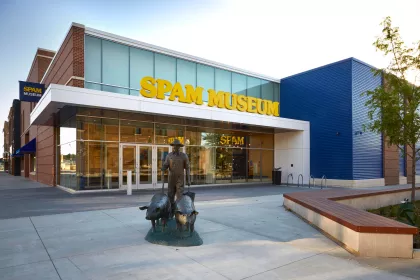
 Meet Minnesota's favorite meat at the SPAM Museum in Austin / Eileen Chao
It’s hard to believe now, but in the 1930s, pork shoulder — yes, the same cut that has since risen to barbecue- and carnitas-fueled glory — was having a PR crisis. Jay Hormel, son of Hormel Co. founder George Hormel, had a solution: process cheap, underappreciated pork shoulder with ham, potato starch, salt, sugar, water and sodium nitrite, seal it inside a distinctive rectangular can, tack on a pull tab and sell it to the cash-poor citizens of Depression-era America.
Famously, the plan worked. SPAM has gone through many eras in its long history: WWII infamy, Monty Python jokehood and cheffy reinvention. SPAM evolves. SPAM endures. SPAM has sold more than 9 billion cans as of 2025.
For SPAM fans, there is only one place to make a pilgrimage: Austin’s SPAM Museum, a free tribute to the history and legacy of America’s favorite canned meat. You’ll even get to taste what the museum calls “SPAMples,” including hard-to-find flavors like tocino, gochujang and jalapeño.
And the SPAM party doesn’t stop there. Many Austin restaurants make a point to include SPAM on their menus, from the SPAM fries at Piggy Blues BBQ to the SPAM & cheese omelet at Kenny’s Oak Grill.
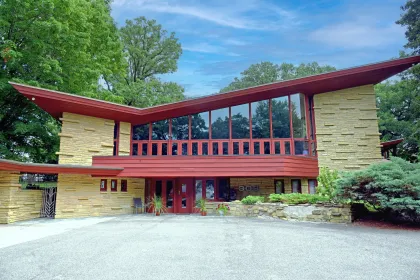
The front of the Elam House / Credit: Andrew ParksIf you’re all SPAM’d out, don’t worry. In the 1980s, Austin saw an influx of immigrants from Mexico who came to work at the Hormel plant, and their legacy now includes excellent eateries like Tienda Guerrero and Los Landeros — no canned meat required. Or get nostalgic at Tendermaid, a burger-and-sandwich joint that’s been slinging pizza and chili burgers since 1938.
Other notable Austin attractions include the historic Paramount Theater, Sweet Reads (perhaps the nation’s only bookstore-slash-candy store) and the Rydjor Bike Shop, a destination for cyclists since 1973.
But perhaps one of Austin’s most exciting destinations is one you can stay in. The Elam House, designed by Frank Lloyd Wright, is a classic example of the architect’s Usonian homes. Guests can rent a one-bedroom suite in the five-bedroom, six-bathroom home, which includes a sunny living room and kitchenette.
Book in winter to take full advantage of the backyard skating rink and iconic, floor-to-ceiling fireplace.
-
Tour a Hollywood favorite in Faribault
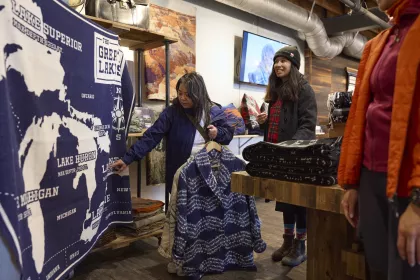
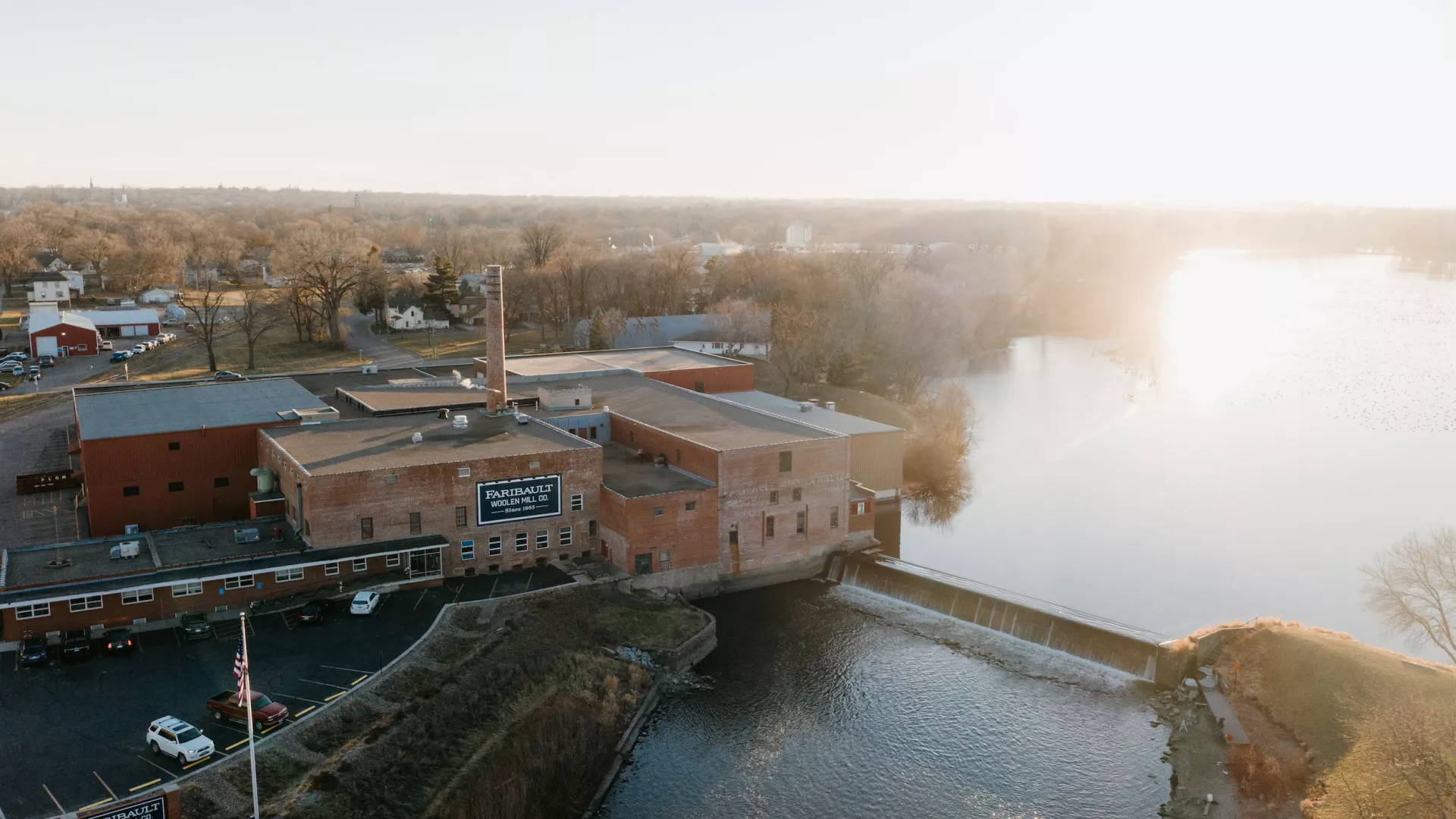
Faribault Mill's flagship store and factory / Credit: Paul VincentFaribault Woolen Mills’ iconic, cozy blankets have wrapped the shoulders of Harrison Ford, graced the pages of Architectural Digest, and even been gifted by some guy named George Clooney.
Founded by Carl H. Klemer in 1865, Faribault was originally powered by a horse-driven treadmill. There have been some technological advances since then, but the mill remains synonymous with meticulous craftsmanship. The entire process of making its wool products still takes place under one roof — a rarity in the age of globalized supply chains.
For a very reasonable $10 for adults and $5 for kids, you can tour the mill and see how raw wool becomes the Minneapolis–St. Paul map blanket seen in many a cool Minnesotan’s home. While you’re there, shop the factory store, where you can snag limited-edition artist collaborations and discounted seconds.
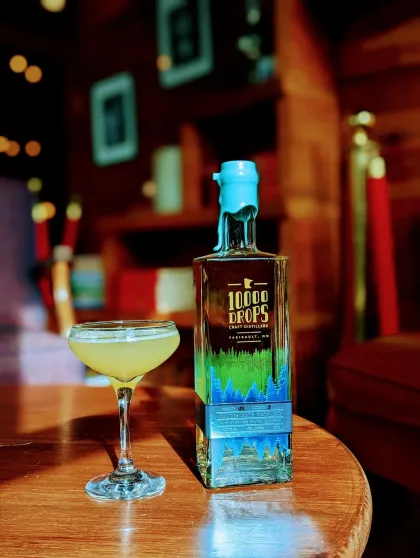
 Credit: 10,000 Drops Distillery
Also in Faribault is the charming 10,000 Drops Distillery, which has a dog-friendly cocktail room and a shuffleboard (!!!) table. In the summer, there’s live music on the patio and rotating food trucks.
And why not extend your stay? Faribault is home to Windjum’s Shady Acres Resort, Roberds Lake Resort, and Lemieux Lake Resort — all worthy of a weeklong lakeside getaway.
In nearby Waterville (a 20-minute drive away), you’ll find Kamp Dels, a water park campground that has been rated the No. 2 family campground in the country. Kamp Dels offers 38,000 square feet of pools, slides and splash pads, so swimmers of all ages and abilities can participate.
-
Spot the wildflowers at Nerstrand Big Woods
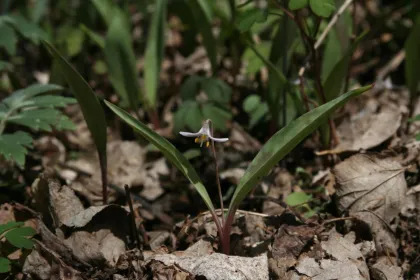
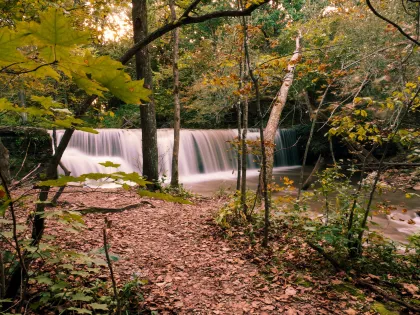
A rarely seen Minnesota Dwarf Trout Lily / Credit: Friends of Nerstrand Big Woods State ParkNerstrand Big Woods State Park is best known for its hidden falls, which have a fantastical, almost Arthurian quality as they spill over a wide, often moss-covered limestone bluff. Casual hikers will be pleased to find that the falls are just a half-mile hike from the picnic area parking lot.
Once you’ve seen them, go wildflower hunting: Nerstrand is home to one of the only populations of the tiny, beautiful dwarf trout lily, a spring ephemeral endemic to Minnesota, as well as more than 200 other species of wildflowers.
Hidden Falls at Nerstrand Big Woods State Park / Credit: Shazam HanifJust don’t plan on bringing home a bouquet: picking flowers is illegal in Minnesota state parks. But you know what isn’t? Taking pictures. They last longer, too. Find out more from two of the state’s top wildflower hunters here.
On your way home, make a stop at Nerstrand Meats, a local butcher shop with a cult following. Many locals swear by their cheddar dogs, and we never leave without a package of beef sticks. It’s exactly what you need after a long day of hiking (or pretending you’re in the Fellowship of the Ring).
-
See a pristine example of Prairie architecture
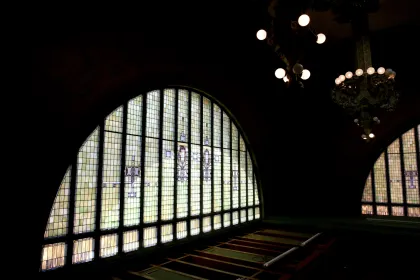
Quite possibly rhe world's most gorgeous Wells Fargo / Andrew ParksWhen did banking get so boring? You log in online. You enter a code that gets texted to your phone. If you have a question, you can ask...an automated AI chatbot.
Once upon a time, banks were jewels of the community. That legacy lives on in Owatonna, where Louis Sullivan (a mentor of Frank Lloyd Wright, you can thank him for the phrase “form follows function”) designed the spectacular National Farmer’s Bank. The 1908 bank, which is still, amazingly, a bank, is on the National Register of Historic Places. Every year, it draws acolytes of the Prairie-style architectural movement, who come to ogle the massive stained-glass windows, gold-leaf arches and cast-iron chandeliers.
-
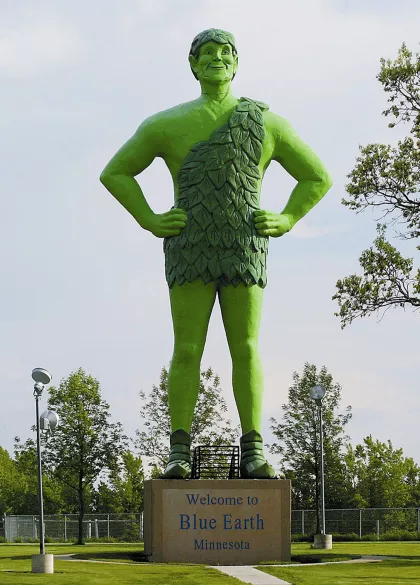
Greet the Jolly Green Giant in Blue Earth
 The Jolly Green Giant in Blue Earth
The story of how a 55-foot effigy of canned peas ended up in Blue Earth, Minnesota, involves a shuttered factory, iconic voice actor Len Dresslar, a local radio station and Miss America. You can read the whole tale here, but the important part is that the green behemoth — and his size 78 shoes — are still here to welcome visitors to Blue Earth.
His legacy now includes a museum (complete with very green EV charging stations) and the yearly Giant Days festival, which includes a “giant green foam party” for the adventurous and classic balloon animals and a petting zoo for those who prefer to go home… less green.
And don’t miss the 24 Little Sprouts — the giant’s petite progeny — hidden throughout town.
-
Go hog wild in the Bacon Capital of Minnesota
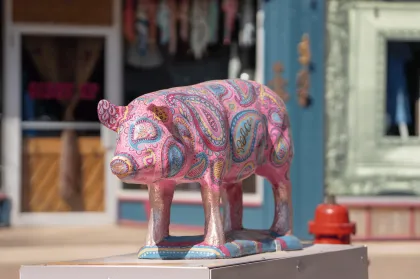
 One of the fiberglass pig statues in downtown Fairmont / Credit: Visit Fairmont
Fairmont, a town of 10 thousand, has the usual charming small-town amenities: a historic opera house, a downtown packed with independent shops, and a historic brick home where you can attend a Christmas tea.
What other small towns don’t have is a series of artist-designed fiberglass pig statues commemorating the title “Minnesota’s Bacon Capital”. Martin County, in which Fairmont is the largest town, produces more pork than any other in the state. Quantified, that’s 40 million pounds of bacon a year — enough bacon to fill more than ten Olympic-sized swimming pools — and Martin County leans in, even selling branded pork spice blends in generous gallon jugs.
But pescatarians shouldn’t count Fairmount out. The Fairmont chain of lakes (that would be Budd, George, Hall, Sisseton, and Amber) is famous for bass fishing. In fact, the area possesses a special exception to the statewide 30-fish limit (in Fairmont, you can fish up to 100). Better yet, four of Fairmont’s five lakes are interconnected by channels, so you can fish one after the other without ever leaving your boat.
-
Drink best-in-class beverages in Dundas
Credit: Chapel BrewingThe small Cannon River town of Dundas, just down the road from Northfield, boasts not one but two of the state’s most charming craft beverage producers.
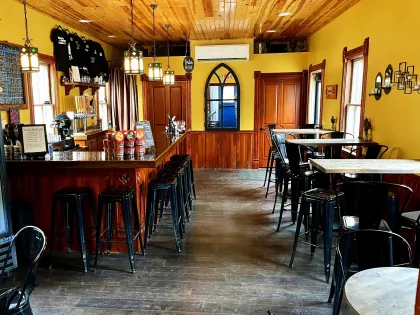
Chapel Brewing, housed in (you guessed it) a former chapel, bucks the stereotype of big, industrial brewery spaces. The small, cozy taproom right on the riverfront is as idyllic in winter as it is in summer, when guests arrive by bike and kayak and spill onto the brewery’s lush lawn. The brewery’s calling card is a crisp, refreshing Kölsch (also available as a raspberry-lime shandy), but there are plenty of rotating taps. If you get lucky, you’ll get to taste their very limited peanut butter cup stout.
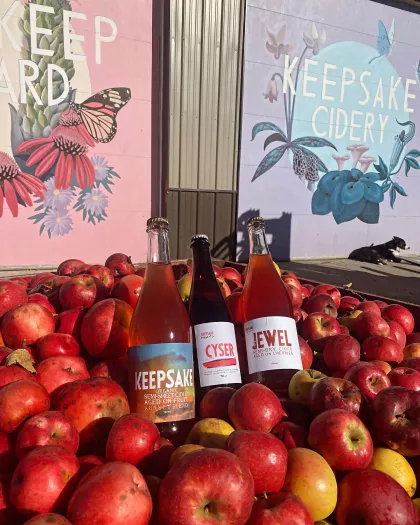
Keepsake CideryLess than 10 minutes away, you’ll come upon the cedar-clad barn and overflowing planter boxes of Keepsake Orchard and Cidery, one of the nation’s most forward-thinking artisanal cider producers. Founder Nate Watters is deeply invested in keeping heirloom apple varieties alive and thriving, and Keepsake’s signature cider is made with the local Chestnut Crab apple. Unfiltered and produced using traditional fermentation methods, Keepsake’s ciders have more in common with natural wines than much of what you’ll find in a typical liquor store can.
They’re also more complex, incorporating foraged ingredients like elderberry and techniques like oak barrel aging. Keepsake’s tasting room (and beautiful garden) serves “toasties” (that’s British for grilled cheese), local cheese and meat platters, applesauce from the orchard, cheese curds and seasonal soups — so go ahead and get another cider.
-
Post up at a pizza farm
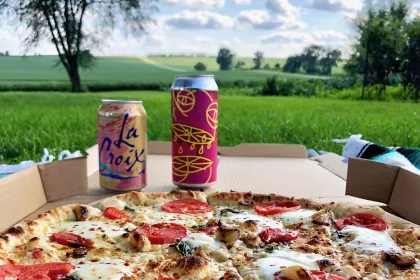
Red Barn Farm / Credit: Andrew ParksAh, pizza farms. Perhaps our favorite of the cottage food industries, they’ve played host to many an idyllic summer night lingering over sourdough crust and bottles of chilled red wine.
The South Lakes district has two of the most notable. Red Barn, just outside Northfield, is one of the few pizza farms with its own liquor license, pouring local drinks from Loon Liquors and Chapel Brewing alongside chewy, wood-fired pies. We love the Sour Pig, with sausage and sauerkraut, and the Firecracker, which combines salami, basil and feta with a drizzle of hot honey.
 Credit: Pleasant Grove Pizza Farm
In Waseca, Pleasant Grove serves its pies the Minnesota way (cut into squares, in case you’re not in the know). If you're brave, try the “stuffed crust chuckeroni,” a pepperoni pizza stuffed with Ellsworth cheese curds. That’ll have you saying “uff da.”
Part of the pizza farm experience is roaming the grounds before and after. Both Red Barn and Pleasant Grove invite you to wander through their gardens and visit the farm animals, including Pleasant Grove’s resident Huacaya alpaca, Lena.
Most pizza farms are cash-only, so plan ahead. And don’t forget your plates, cups, picnic blanket and napkins — these are picnic-style affairs, requiring you to be polite and clean up after yourself. Please and thank you!
-
Learn about farm life
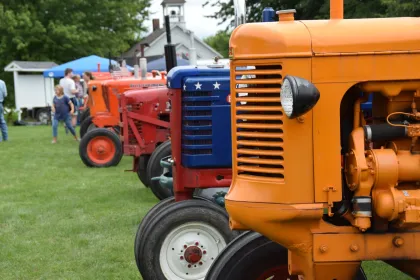
Credit: Heritage Acres Agricultural Interpretive CenterMinnesota has long been an agricultural powerhouse, and it still ranks fourth in the nation in total agricultural exports. But it’s easy to lose sight of what that means: the day-to-day work of farming, and how it has evolved over the centuries. Thankfully, the South Lakes region is home to two agricultural interpretive centers — educational sites that keep the story of farming alive and active.
Farm America in Waseca offers guided, self-guided and tram tours of a working site that includes an 1850s homestead, one-room schoolhouse, feed mill and blacksmith shop. Check the events calendar for baby farm animal meet-and-greets, plant bingo and live music.
At Heritage Acres in Fairmont, visitors can explore the ongoing story of Midwestern farming. This historic farmstead also hosts events throughout the year, including a popular harvest festival and threshing day.
-
Tour a prehistoric chert quarry
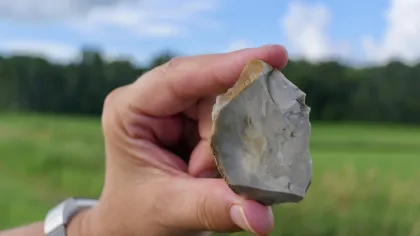
 A nodule of Grand Meadow Chert / Credit: Mower County Historical Society
As early as thousands of years ago, Indigenous Americans quarried chert — sometimes known as flint — in what is now Minnesota. Formed of fine-grained crystalline quartz with a limestone outer shell, chert was traditionally used for hunting tools and hide scrapers.
Over time, chert was heavily quarried for building materials. But near the small town of Grand Meadow, the Grand Meadow Chert Quarry/Wanhi Yukan Trail preserves an eight-acre site where visitors can see more than 80 mine pits (which may once have numbered more than 2,000).
The site is co-managed by the Mower County Historical Society, the Prairie Island Indian Community and the Archeological Conservancy. Signage along the Wanhi Yukan Trail — which means “there is chert here” — is presented in both English and Dakota, and a companion exhibit is available at the Historical Society.