Minnesota's Best Parks and Trails for Birdwatching
Positioned along the Mississippi Flyway and bordering the vast waters of Lake Superior, Minnesota draws nearly 300 bird species each year, making it one of the Midwest’s premier birding destinations.
From prairie grasslands and hardwood forests to wetlands, lakes, and shoreline bluffs, the state’s diverse habitats provide abundant food and shelter for birds in every season.
Minnesota’s extensive state park system, its 10,000 lakes, and even the green spaces woven throughout the metro area offer accessible places for birdwatchers of all experience levels to explore.
Birding doesn’t slow down when temperatures drop, either. Winter brings visitors from the north — species that migrate south from Canada and settle into Minnesota’s forests and feeders. By March, spring migration begins in earnest, unfolding in waves. Waterfowl arrive first, followed by sparrows, warblers, and a wide array of songbirds.
By early June, migration gives way to breeding season, when parks and natural areas fill with the bright flashes and distinct calls of scarlet tanagers, meadowlarks, bobolinks, Henslow’s sparrows, and nesting warblers in northern forests.
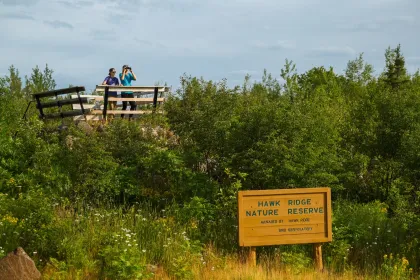
Fall offers another dramatic transition, with migration moving in reverse and raptors taking center stage. Along the North Shore, Hawk Ridge in Duluth ranks among the premier bird observatories in the country, where thousands of hawks, eagles, and falcons funnel past Lake Superior each autumn.
Year-round, birding pairs easily with other outdoor pursuits. Paddle a kayak along a quiet shoreline, explore trails by bike, or trade binoculars between cross-country skiing or snowshoeing stops in winter.
In Minnesota, birdwatching is an invitation to experience shifting landscapes throughout the year. Here are some of the best spots to do it...
-
Afton off 50th, Hastings
 A Northern Parula near Afton State Park / Credit: Monica Bryand
Just down the road from Afton State Park, this lesser-known grassland hotspot offers exceptional prairie birding. Short-eared owls hunt here in the fall, while early June brings the arrival of dickcissels. Field, clay-colored, and song sparrows are common, with the possibility of Henslow’s sparrow.
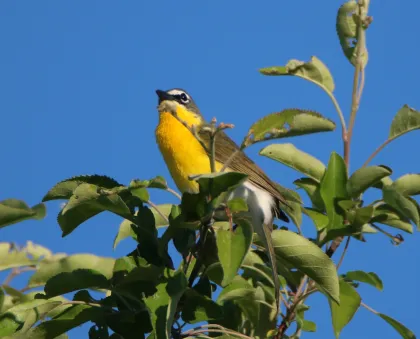
Trails wind through open fields and wooded edges where eastern towhees, orchard orioles, indigo buntings, and blue-winged warblers can be found. In recent years, yellow-breasted chats have also made appearances.
-
Bass Ponds, Bloomington
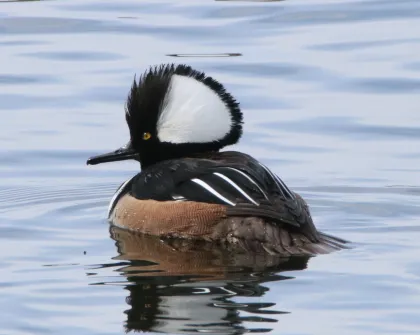
 A male Hooded Merganser at Bass Ponds / Credit: Monica Bryand
A year-round favorite, Bass Ponds features diverse habitats in the Minnesota Valley National Wildlife Refuge along the Minnesota River. A steep descent leads to ponds and wooded areas where barred owls, winter wrens, and shorebirds are possible.
The main pond provides excellent light throughout the day thanks to its walkable perimeter. Ducks and shorebirds are reliable draws, and afternoon visits often provide ideal viewing conditions along the river.
-
Crosby Farm Regional Park, St. Paul
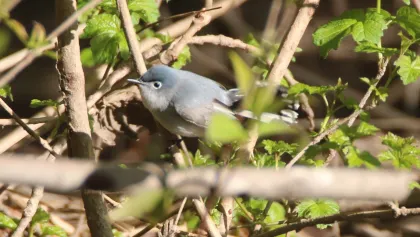
 A Blue-gray Gnatcatcher at Crosby Farm Regional Park / Credit: Monica Bryand
Located along the Mississippi River, Crosby Farm offers multiple access points and quieter trails beyond the main shelter area. Entering from Sheppard Road provides quick access to lakes, wooded paths, and less-traveled routes.
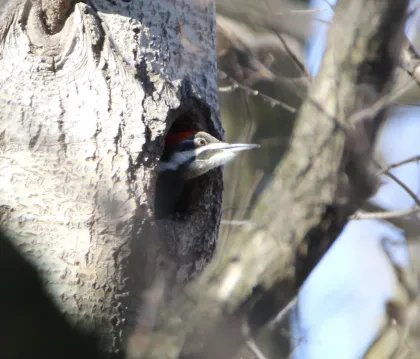
During spring migration, scarlet tanagers, blue-gray gnatcatchers, warblers, vireos, and pileated woodpeckers are highlights.
Waterproof footwear is recommended in wetter months, which can be quite muddy.
-
Dodge Nature Center, St. Paul
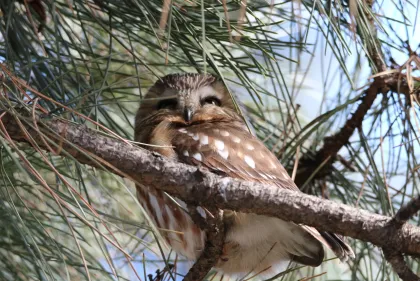
 A Northern Saw-whet Owl at Dodge Nature Center / Credit: Monic Bryand
This West St. Paul nature center offers a quick yet rewarding loop through wetlands, woods, and prairie. Small ponds attract ducks and red-winged blackbirds, while trails host eastern bluebirds, indigo buntings, cedar waxwings, and pileated woodpeckers.
It’s an accessible option for a short but productive birding outing.
-
Eloise Butler Wildflower Garden, Minneapolis
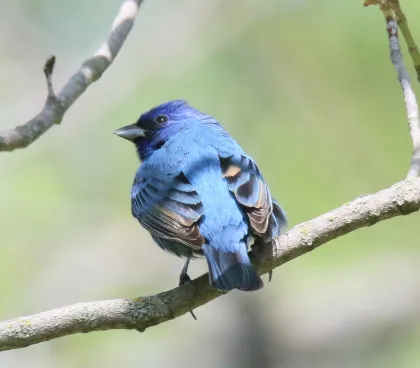
 A male Indigo Bunting at Eloise Butler Wildflower Garden / Credit: Monica Bryand
Located within Theodore Wirth Park, this enclosed garden combines woodland and prairie habitats in the heart of Minneapolis. Wooded sections host scarlet tanagers, owls, woodpeckers, and thrushes, while open fields attract indigo buntings, orioles, olive-sided flycatchers, and other songbirds.
Narrow trails and a seasonal boardwalk make early weekday visits ideal during migration.
Find out more about Minnesota's wildflowers.
-
Hawk Ridge, Duluth
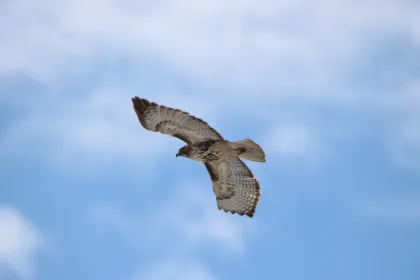
 A Red-tailed Hawk at Hawk Ridge / Credit: Monica Bryand
One of the nation’s premier fall raptor observatories, Hawk Ridge offers spectacular migration viewing each September and October. Staff and volunteers help identify hawks, eagles, and falcons as they funnel along Lake Superior’s shoreline.
Visitors may also witness birds released from the banding station. Nearby wooded trails provide opportunities to spot migrating songbirds.
-
North Ottawa Impoundment, Wendell
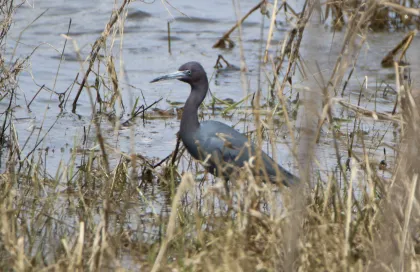
 A Little Blue Heron in North Ottawa Impoundment / Credit: Monica Bryand
Tucked among western Minnesota farmland, this wetland complex is a hidden gem for waterfowl and shorebirds. Spring and fall migrations bring avocets, grebes, godwits, and a wide range of ducks. Mid-June highlights include bobolinks and dickcissels.
While driving the perimeter offers excellent views, walking the interior mudflats often reveals additional shorebird species.
-
Old Cedar Avenue Bridge, Bloomington
 A Virginia Rail at Old Cedar Avenue Bridge / Credit: Monica Bryand
This location in the Minnesota River corridor shines year-round. The historic bridge and adjacent boardwalk provide views of waterfowl, while wetlands host sora and Virginia rails in spring and summer. Wooded trails offer kinglets, warblers, sparrows, winter wrens, belted kingfishers, and occasional raptors.
Ambitious hikers can connect to Bass Ponds via a trail.
-
Reservoir Woods Park, Roseville
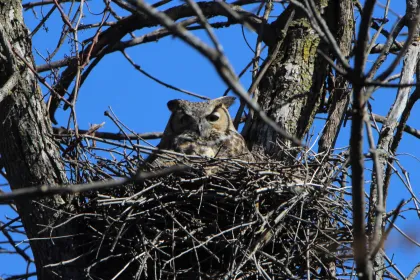
A Great Horned Owl at Reservoir Woods Park / Credit: Monica BryandA compact but productive spring migration stop, Reservoir Woods Park features wooded trails and small wetlands. Warblers are common in the treetops, while egrets, herons, and ducks gather near the water. Resident great horned owls and migrating scarlet tanagers add to the appeal.
-
Roberts Bird Sanctuary, Minneapolis
 A Pileated Woodpecker at Roberts Bird Sanctuary / Credit: Monica Bryand
Tucked beside Lake Harriet, Roberts Bird Sanctuary is a migration hotspot in the heart of the city. Warblers, flycatchers, and sparrows fill the trees in spring, while resident great horned owls, Cooper’s hawks, and pileated woodpeckers are possible year-round.
Trails lead toward the lakeshore, where additional waterfowl can be observed.
-
Sax-Zim Bog, Meadowlands
 A male Bobolink at Sax-Zim Bog / Credit: Monica Bryand
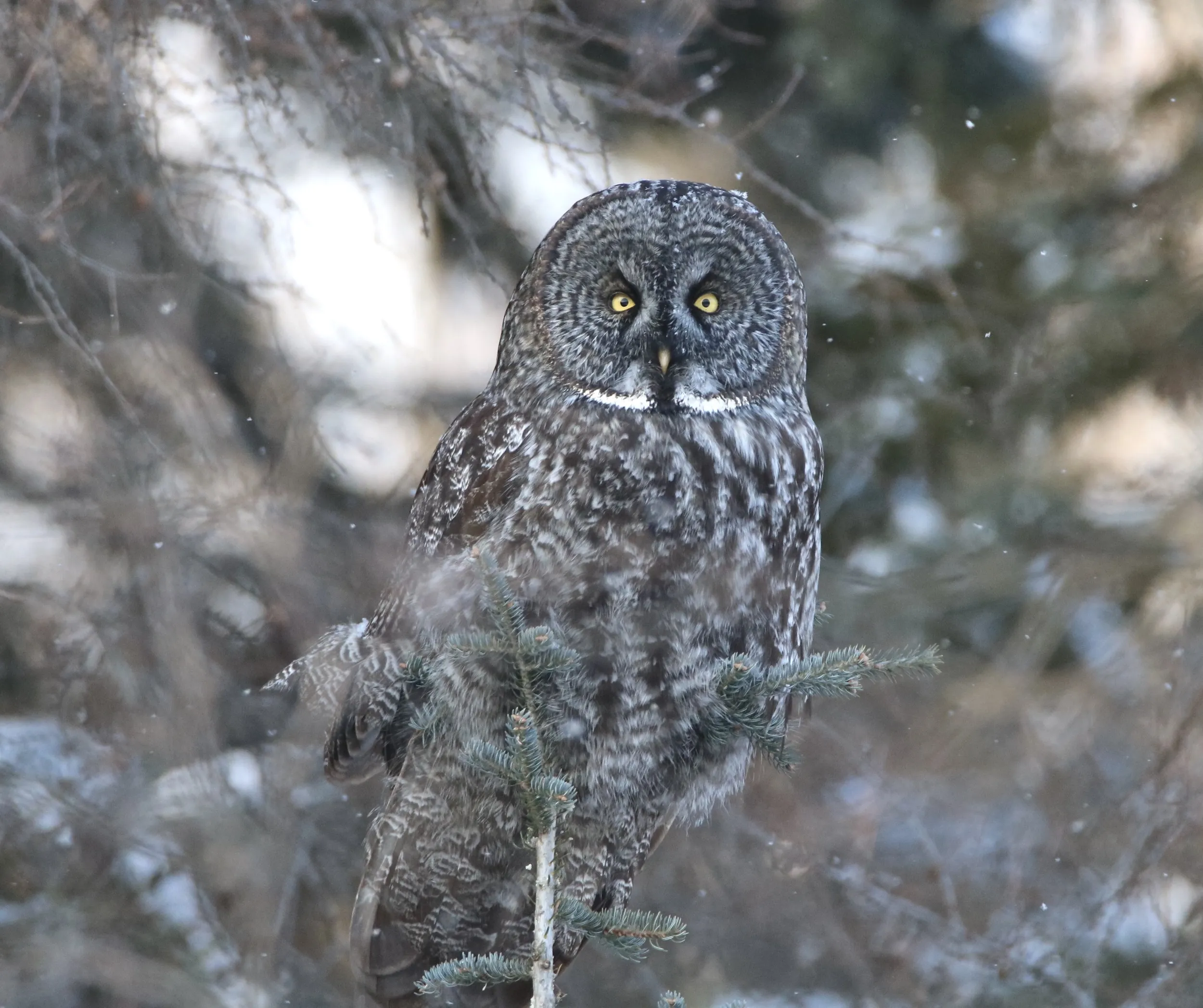
Internationally known for winter birding, Sax-Zim Bog hosts boreal specialties including northern hawk owls, boreal chickadees, evening and pine grosbeaks, and crossbills. Summer brings bitterns, veeries, sedge wrens, bobolinks, and multiple warbler species. The great gray owl, black-backed woodpecker, and black-billed magpie can be found throughout the year.
Boardwalks and protected acreage make the bog accessible year-round.
-
Sherburne National Wildlife Refuge, Zimmerman
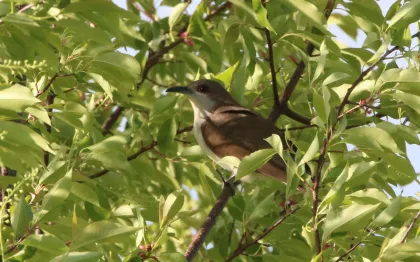
 A Black-billed Cuckoo at Sherburne National Wildlife Refuge / Credit: Monica Bryand
The seven-mile Wildlife Drive in Sherburne National Wildlife Refuge offers accessible birding through prairie, wetland, and woodland habitats. Grasshopper sparrows, eastern meadowlarks, orchard orioles, and scarlet tanagers are possible early in the drive. Sandhill cranes are frequently seen, too.
The gravel road is bike-friendly, allowing visitors to experience pools and forest edges at a relaxed pace.
-
Tettegouche State Park, Silver Bay
A Black-and-white Warbler in Tettegouche State Park / Credit: Monica BryandThis lesser-known section of Tettegouche State Park, along Lax Lake and Highway 1, offers excellent northern forest birding. Canada, Tennessee, black-and-white, and northern parula warblers are common in summer, along with the distinctive call of the winter wren. Black-throated blue warblers are a highlight.
Trails climb through boreal habitat and reward hikers with sweeping views of Lake Superior’s North Shore.
-
Wood Lake Nature Center, Richfield
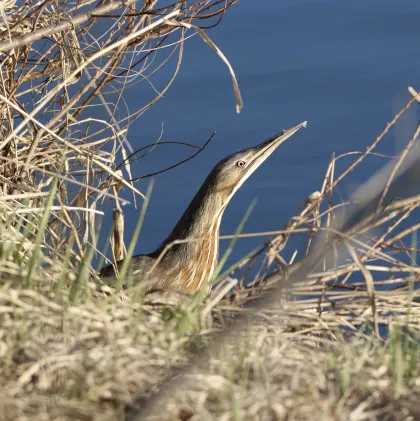
 An American Bittern in Wood Lake Nature Center / Credit: Monica Bryand
Boardwalks and trails at this metro-area nature center pass through wetlands, prairie, and woodland habitats. Green herons, egrets, swans, ducks, and Virginia rails frequent the water. Spring migration brings abundant warblers, flycatchers, and vireos, while merlins, ospreys, owls, and bald eagles are possible year-round.
Check out our beginner's guide to birding.