


How to Go Winter Camping in Minnesota
For the many outdoor enthusiasts in Minnesota, the urge to camp during the coldest part of the year is just as strong as it is in the spring, summer or fall. Here is how you can seize the season alongside snow-covered landscapes and thousands of stars.
Please note: Minnesota's parks and trails system is subject to change. Check the Department of Natural Resources' website for the latest information on temporary closures, alerts and notices.
Where can I go winter tent camping in Minnesota?

It’s difficult to compare Minnesota’s winter campsites because their offerings vary wildly. Some have electric sites, drinking water, showers or firewood; some don’t. Some have cross-country skis and snowshoes to rent; some don’t.
The best way to explore the available offerings is to start with the DNR’s winter camping guide. Once you’ve decided where you want to stay, visit that park’s official page and reservation listing for current amenities, availability and seasonal updates, including what will and won’t be plowed on snow days.
Frontenac, Itasca and Tettegouche are among the state parks with winter campsites. Tettegouche is worth a look if you want more amenities: The DNR lists winter electric campsites, drinking water and showers. Check the park’s current information for facility access and visitor center hours before you go.
For a more remote outing, Voyageurs National Park also offers winter camping. Campsites require reservations and permits, and reaching them depends on winter conditions. Check the park’s winter ice and trail reports as you plan your route.
Where can I stay in a heated camper cabin?

Anyone looking for a little more protection from the elements can book a winter stay in a camper cabin at a Minnesota state park or recreation area. Camper cabins are a step up from sleeping in a tent, but more rustic than a hotel room. Most DNR camper cabins have heat and electricity, along with a table, benches and bunk beds with mattresses. Check your cabin’s listing for its winter amenities and what to bring.
DNR camper cabins don’t have indoor plumbing. Primitive toilets are available year-round, while showers, other restrooms and drinking water vary by location and season. With the exception of crockpots and coffeepots, cooking isn’t allowed inside these cabins, but each has an outdoor picnic table and fire ring with a grate for cooking. Pets aren’t allowed in DNR camper cabins.
County parks offer cabin getaways, too. At Whitetail Woods Regional Park near Farmington, Dakota County’s five year-round camper cabins each sleep up to six. Check the county’s booking information for amenities and cabin rules.
For a less rustic stay in Cuyuna Country, the lakefront cabins at True North Basecamp are now managed and booked through Cuyuna Cabin Collection. These adults-only cabins have private bathrooms, kitchenettes and hot tubs. They don’t allow pets; the campground has a separate pet policy.
Where can I go yurt camping in winter?

For another way to sleep close to nature, try a yurt. Inspired by traditional portable dwellings used by Central Asian nomadic cultures, these round shelters offer a different kind of camping experience.
Afton State Park, Cuyuna Country State Recreation Area and Glendalough State Park offer year-round yurt rentals. Each has a wood-burning stove, domed roof, windows, beds and a table. One yurt at Glendalough sleeps three people; the others sleep seven.
None of the DNR yurts have electricity or indoor plumbing, and neither indoor cooking nor pets are allowed. Outdoor fire rings with grills provide a place to cook, and primitive toilets are nearby. Bring your own bedding and plan to tend the woodstove to keep things warm.
What’s the most challenging winter camping in Minnesota?

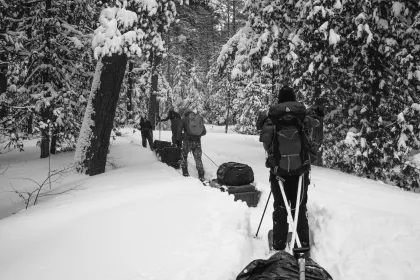
There’s perhaps no greater challenge than primitive camping in the vast Boundary Waters Canoe Area Wilderness. Some winter campers use hot tents designed to accommodate wood-burning stoves, while others camp without a heated shelter. Either approach calls for equipment suited to the conditions and the skills to use it.
As the U.S. Forest Service points out, winter visitors are less likely to encounter other campers and can experience an extraordinary sense of solitude. That solitude also demands preparation, planning and self-reliance. Know your equipment, your route and your limits before heading into the wilderness.
Permits are required year-round. For day or overnight visits from Oct. 1 through April 30, visitors use self-issued permits available at Superior National Forest offices and Boundary Waters entry points. Check current Forest Service information for permits, closures and winter travel guidance before your trip.
Can I go dispersed camping in winter?
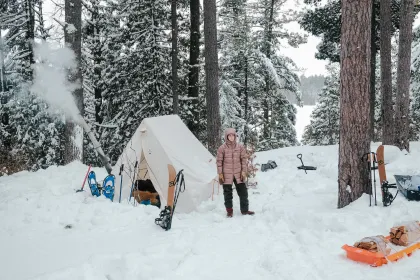
In addition to the Boundary Waters, Minnesota’s two national forests — Chippewa and Superior — offer dispersed camping outside designated campgrounds, subject to each forest’s rules and restrictions. Check the forest’s current camping information, road access and closures as you plan.
Dispersed camping is also allowed in Minnesota state forests unless otherwise posted. State forest sites must be at least one mile from designated campsites and campgrounds. These are truly primitive experiences: Bathrooms, drinking water, picnic tables and other amenities aren’t provided.
Read the DNR’s dispersed camping guidelines for where to camp, parking rules and how to leave the woods as you found them.
What should I check before a winter camping trip?
It’s always a good idea to check in with the park before a winter stay. Make your reservation, confirm which facilities will be available and ask about access to your site. It’s Minnesota, so it could also snow before you get there. Keep that in mind.
Park roads can be winding, slippery and outside cell coverage. Check the forecast and road conditions, download the maps you’ll need and leave your trip plans with someone at home. Good tires and an emergency kit in your car will go a long way toward a comfortable trip.
For tent camping, prepare for the overnight temperatures with suitable shelter, sleeping gear and dry layers. Test your equipment before the trip, and have a plan for changing conditions. A little preparation leaves more time to enjoy what you came for: quiet woods, snowy trails and a sky full of stars.
Find more fun things to do during the winter.
